Professional Concrete Contractor for All Your Building Requirements
Engaging a qualified concrete contractor is critical for the success of any construction project. Their technical knowledge ensures that tasks are completed swiftly and to a high standard. These specialists navigate challenges with skill and have established relationships that facilitate material sourcing. Recognizing local regulations and placing emphasis on safety are also critical dimensions of their role. Yet, many ignore the long-term benefits of choosing the right contractor. What points should one assess when making this important decision?
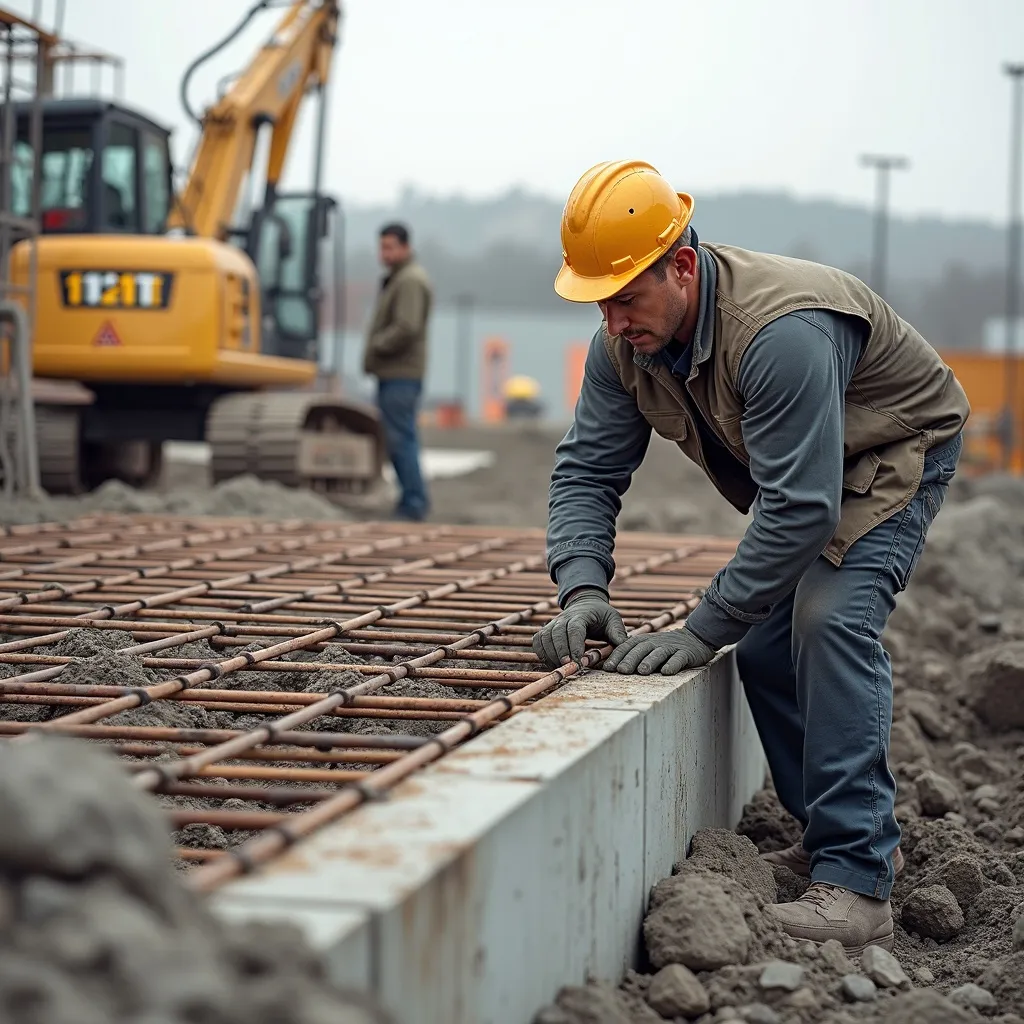
Why Hiring an Seasoned Concrete Contractor Matters
When evaluating a building endeavor, the importance of hiring an experienced concrete contractor is crucial. An experienced contractor provides a vast amount of knowledge and skills that are vital for ensuring the quality and longevity of concrete work. Their familiarity with various techniques and resources enables for better decision-making, eventually producing a stronger and dependable structure.
Moreover, skilled contractors are capable of addressing potential challenges that may emerge during the construction process. They are well-equipped to address unexpected issues efficiently, reducing postponements and surplus expenses. In addition, an knowledgeable contractor typically has solid connections with suppliers and subcontractors, which can improve the sourcing of goods and supplies.
Vital Standards of a Professional Concrete Contractor
A trustworthy concrete contractor possesses several crucial characteristics that set them apart in the construction industry. First and foremost, strong communication skills are fundamental; they ensure that customers are kept updated during the entire project, building confidence and understanding. Additionally, a strong track record established through positive customer feedback and referrals demonstrates a contractor's reliability and work quality.
Moreover, proficiency with various concrete applications, along with knowledge of the latest techniques and materials, allows them to deliver superior results. Attention to detail is another important quality, as it ensures precise measurements and high standards of workmanship.
In the end, a dedication to safety and compliance with standards show professionalism and responsibility. By incorporating these characteristics, a reliable concrete contractor not only meets client expectations but also supports favorable project results, establishing them as vital in the construction sector.
How to Select the Right Concrete Project for Your Needs
Selecting the appropriate concrete project requires thoughtful consideration of particular needs and objectives. Individuals should begin by analyzing the intended use of the concrete, whether for driveways, foundations, or decorative elements. A clear grasp of the project's purpose directs the selection of materials and methods.
Next, financial boundaries represent an essential role. Evaluating available financial resources helps in determining the extent and intricacy of the project. Additionally, the local climate can determine the choice of concrete selection and curing techniques, ensuring durability and longevity.
It is also important to account for the schedule for completing your project. Some concrete applications demand time for curing, which may influence scheduling. Consulting with an experienced concrete contractor can deliver useful information into the best practices and possible choices. In the end, matching the specific details of your project with personal requirements leads to a successful start now concrete project that achieves the desired outcomes.
What You Must to Understand About Local Concrete Regulations?
Recognizing local concrete mandates is critical for any structural undertaking, as these rules detail various aspects of concrete practice, including performance criteria, execution strategies, and impact assessments. These directives are typically established by local or state authorities and can vary greatly from one location to another.
Contractors ought to understand zoning laws, which can influence where concrete structures may be placed. Additionally, building codes regularly prescribe the required strength and composition of concrete mixes, maintaining safety and durability. Environmental regulations may also require the use of eco-friendly materials and proper waste disposal methods to limit environmental impact.
Noncompliance with these regulations can trigger fines, project postponements, or even legal action. As such, communicating with local authorities early in the planning process is wise. Knowing and complying with these regulations not only supports community safety but also strengthens the integrity of the construction project.
Why Professional Contractors Reduce You Valuable Hours and Costs
Skilled contractors hold a important part in streamlining construction projects, allowing clients to reap both time effectiveness and cost cuts. Their substantial background enables them to work through complex tasks expeditiously, shortening the overall project timeline. By leveraging industry connections, skilled contractors often lock in better pricing on materials, resulting to lower expenses for clients.
Moreover, their knowledge of local regulations guarantees adherence, which minimizes the risk of costly delays and fines. Effective project oversight is an additional key advantage, as these professionals coordinate labor and resources, avoiding obstacles that can result in higher costs.
Moreover, by utilizing proven techniques, expert contractors reduce the likelihood of mistakes, which can lead to costly revisions. Ultimately, hiring an experienced contractor not only improves the quality of the project but also maximizes budget allocation, making it a sound investment for any building project.
Excellent Supplies and Techniques: Why They Are Important in Concrete Work
Quality in concrete work is crucial, as it directly affects the durability and longevity of any construction project. The choice of high-grade materials plays a essential role; inferior concrete can lead to cracking, erosion, and structural failure over time. Using quality aggregates, cement, and additives ensures that the final product can withstand environmental stresses and heavy loads.
Furthermore, utilizing advanced techniques during the mixing, pouring, and curing processes significantly improves the integrity of the material. Correct proportional blends and hardening techniques help achieving ideal durability and minimize vulnerabilities. Skilled professionals understand these subtleties and implement best practices to secure exceptional results.
Ultimately, putting money into quality materials and techniques not only enhances the structural integrity but also reduces ongoing maintenance expenses. This foundation of reliability is crucial for both commercial and residential projects, assuring that they stand the test of time. Concrete work quality is an investment with significant returns.
Regularly Requested Questions
What Types of Cement Solutions Do Contractors Generally Provide?
Concrete contractors generally offer a variety of services including pouring concrete foundations, driveway installation, decorative concrete work, concrete slab construction, sidewalk and patio creation, restoration and resurfacing, as well as concrete demolition and recycling.
How much duration will a standard concrete assignment typically consume?
A conventional concrete project commonly takes between one to three days, subject to factors such as project size, complexity, weather conditions, and curing time. More substantial or elaborate projects may necessitate additional time for completion.
What Are the Frequent Red Flags of Low-Quality Concrete Work?
Evident symptoms of inadequate concrete performance encompass visible cracks, inconsistent texture, improper drainage, discoloration, flaking, and abrasive wear. These issues usually reflect inadequate curing, improper mixing, or inadequate planning, compromising the structure's integrity and longevity.
Can I Ask for Custom Designs for My Concrete Project?
Yes, bespoke designs for concrete projects can be obtained. Plenty of builders enable customization in design, allowing clients to weave in unique features and aesthetics that align with their aspirations, enhancing both functionality and visual appeal.
In What Ways Do Atmospheric Conditions Affect the Curing of Concrete?
Weather conditions greatly influence concrete curing. High temperatures can accelerate moisture loss, leading to cracking, while cold can retard the process, threatening incomplete hydration. Ideal curing requires moderate temperatures and controlled moisture to guarantee durability and strength.